Gifts for a Partner Who Says "Don't Get Me Anything"
By Christina, founder of All Ways Wanted · Updated
When a partner says not to bother, they usually mean something specific: no more clutter, no obligation spending, no gift that sits in a drawer. It rarely means they want the day to pass unmarked.
The trick is finding something that respects the request while still saying you noticed. That often means consumables, small upgrades to something they already use daily, or time together instead of a wrapped box.
This list leans toward things that disappear (used up, eaten, experienced) or that quietly improve a routine they already have, rather than adding a new object to manage.
How we pick · We may earn a commission when you buy through links on this page. It never changes the price you pay or what we recommend. As an Amazon Associate, All Ways Wanted earns from qualifying purchases.
1. the partner with a daily coffee ritual
Blue Bottle Coffee subscription (whole bean, 12 oz bags)
It's consumable, arrives on a schedule so there's no re-buying to remember, and upgrades something they already do every morning without adding clutter.
About $18-22 per bagSee it at bluebottlecoffee.com2. partners who'd rather go out than unwrap something
Uncommon Goods Restaurant Gift Card Experience Box
It turns the gift into a shared evening instead of an object, which fits someone who's told you they don't want more stuff.
About $50-1003. a low-key upgrade to something worn daily
Bombas men's or women's calf socks (3-pack)
Practical, non-decorative, and easy to use immediately, this is the kind of small object that replaces worn-out basics rather than adding new clutter.
- Not sure any of these are quite right? Ask your partner instead → A private link, a few quick questions, and gift ideas picked for them. Free.

4. the partner who cooks or loves good food
Graza Sizzle and Drizzle olive oil duo
Two bottles of well-regarded olive oil are a consumable upgrade to something they use constantly, with no lasting footprint once it's gone.
About $30-36See it at worldmarket.com
5. partners who make coffee at home and could use a better tool
AeroPress Original coffee maker
It's a quiet upgrade to an existing routine rather than a new category of object, and it's compact, not something that adds to clutter.
$39.95See it at aeropress.com
6. a shared experience over a physical gift
Local pottery studio or cooking class for two
This spends the occasion on time together doing something neither of you does regularly, which honors a request for no more stuff.
$200 per coupleSee it at pottery-dallas.com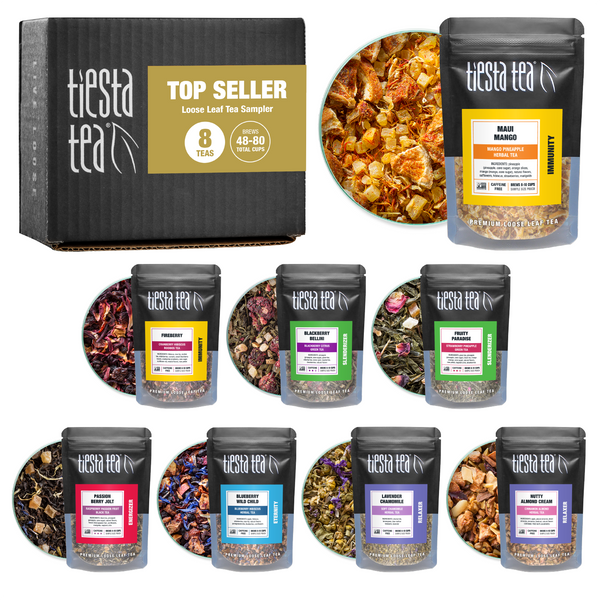
7. a partner who's paring down but still enjoys small daily pleasures
Trader Joe's or specialty tea sampler set
Tea is consumable, low-clutter, and easy to personalize if you know their flavor preferences and any caffeine limits.
$25.95See it at tiestatea.com
8. partners who are stressed or physically active
Massage gift certificate at a local spa
It's a service, not an object, and it directly addresses something the body needs rather than adding anything to the home.
About $80-130See it at summitmedicalspa.com9. a small comfort upgrade for someone who already uses blankets often
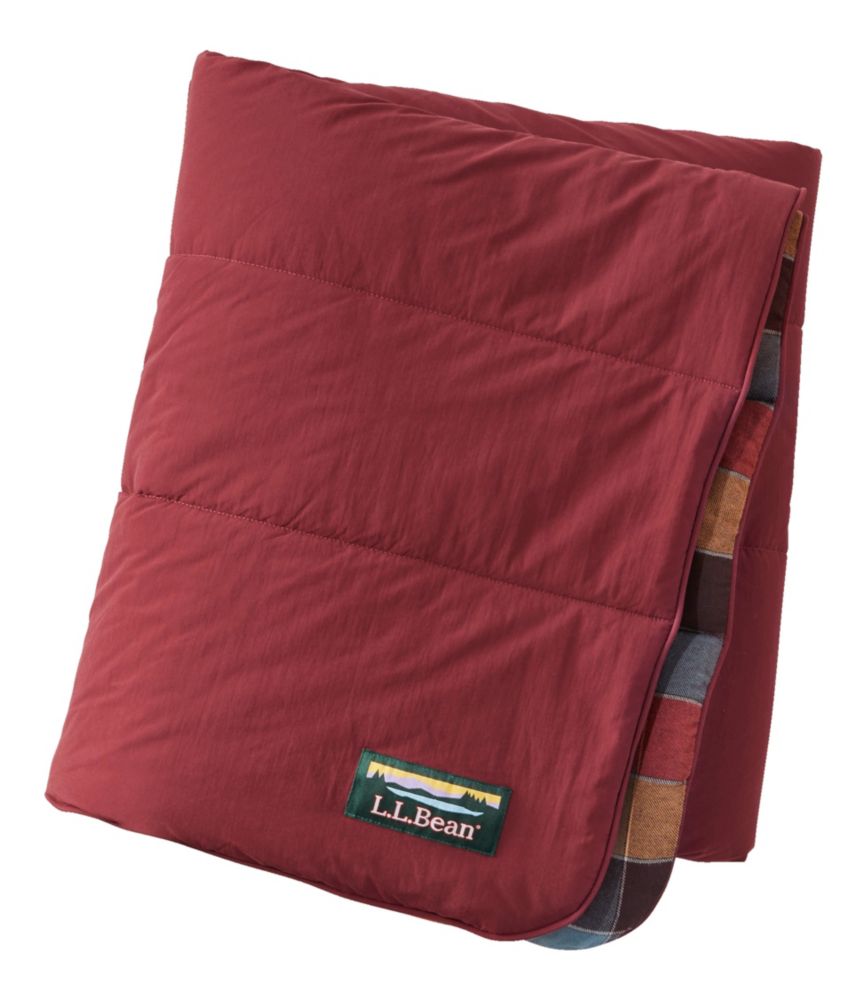
L.L.Bean or Woolrich flannel-lined throw blanket
This replaces or upgrades something already in daily use rather than introducing a new item, and works well if you know their fabric preferences.
$110.00See it at llbean.com10. partners who'd rather have a change of scenery than a gift
Weekend hotel stay at a nearby destination
A short getaway is entirely experience-based, leaves nothing behind to store, and can be scaled to fit almost any budget or schedule.
About $150-300See it at Amazon
How to choose
Start with what they actually do, not what's easy to buy. If they have a coffee ritual, a reading habit, or a specific walk they take every morning, the gift lives there, not in a generic gift-shop aisle.
When someone says they don't want stuff, believe them about the stuff part. Consumables (good coffee, a nice bottle of something they'd never buy for themselves, food) sidestep the clutter problem entirely, since they get used up and leave nothing behind.
Experiences and shared time work for the same reason: no object, no guilt about where to put it. A dinner reservation, tickets to something they mentioned once, or just clearing an evening to do something together often lands better than a physical gift.
If you do go with an object, aim for a replacement or upgrade to something already in daily use, like better socks, a nicer version of a tool they use constantly, or a small consumable-adjacent item like a candle only if you know they like scent in the house. Skip anything with a strong fragrance or scratchy texture unless you know that's their thing.
If none of this feels certain, it's fine to just ask them directly what they'd actually want, which is the whole idea behind All Ways Wanted.
Still not sure? Let them tell you.
Send your partner a private link to a few quick questions about their taste and life. We’ll turn their answers into gift ideas picked just for them — and they never see what you choose.
Questions people ask
- What do you get someone who insists they don't want anything?
- Lean toward consumables (food, drink, something they'll use up), an experience, or a small upgrade to a daily routine item. These respect the no-clutter request while still marking the occasion.
- Is it rude to get a gift anyway when they said not to?
- Not if it's small and specific. A thoughtful, low-stakes gesture that shows you listened is different from ignoring the request with a big or unnecessary purchase.
- What if my partner is a minimalist and really means it?
- Take it seriously. Skip decorative objects entirely and focus on experiences, consumables, or acts of service like handling a chore they dislike.
- Are experiences better than physical gifts in this situation?
- Often yes, because they don't add anything to store or maintain, and they can be tailored closely to something the person already enjoys.
- What should I avoid getting a partner who says not to bother?
- Avoid anything decorative with no clear use, strongly scented items unless you know they like that, and anything that requires storage space or upkeep.
More gift guides

Christmas Gifts for Your Partner: Romantic, Useful, and Actually Wanted
Thoughtful Christmas gift ideas for a boyfriend, girlfriend, husband, or wife—romantic but useful, from cozy upgrades to experiences for two, all under $250.

Anniversary Gifts for Your Partner That Feel Personal
Real anniversary gift ideas for partners, from traditional theme nods like paper and wool to experiences and everyday-use picks that show you paid attention.

Christmas Gifts for Mom: Ideas for the Woman Who's Hard to Shop For
Thoughtful Christmas gift ideas for a mom who's hard to buy for, from small daily upgrades to experiences and sentimental keepsakes, at every budget.